Better prices
Certified organic produce usually sells at a premium, at home and for export.
Feed the soil, protect the crop the natural way and keep the records your certifier asks for — for open fields, orchards, polytunnels and greenhouses, all in the same Famo dashboard.
Organic is no longer a niche: shoppers, exporters and supermarkets ask for it, and farms that build their soil cope better with drought and heavy rain. What holds most farms back is not the farming — it is the know-how, the timing and the paperwork.
Certified organic produce usually sells at a premium, at home and for export.
Compost, green manure and biological controls made or multiplied on the farm replace bought chemicals.
More organic matter holds more water and nutrients — season after season the soil gets easier to farm.
Soils rich in organic matter ride out dry spells and soak up storms that wash bare soil away.
No synthetic pesticide residues on the crop, in the water or on the people who work the land.
A certificate and clean records open doors to exporters, supermarkets and premium buyers.
Organic swaps the bag of fertiliser and the spray can for knowledge and timing. Famo brings both, field by field.
Soil sensors and soil-health tests show what the crop is short of; Famo plans compost, green manure and biofertilisers by stage, and times them to the soil's warmth and moisture.
Leaf-wetness and weather data flag disease weather before it strikes; trap and camera counts show when a pest is building, so Bt, neem or released beneficials go on while they still work.
Famo reads soil moisture and the forecast to pick the days when weeds are small and the soil is right for a mechanical pass or mulch.
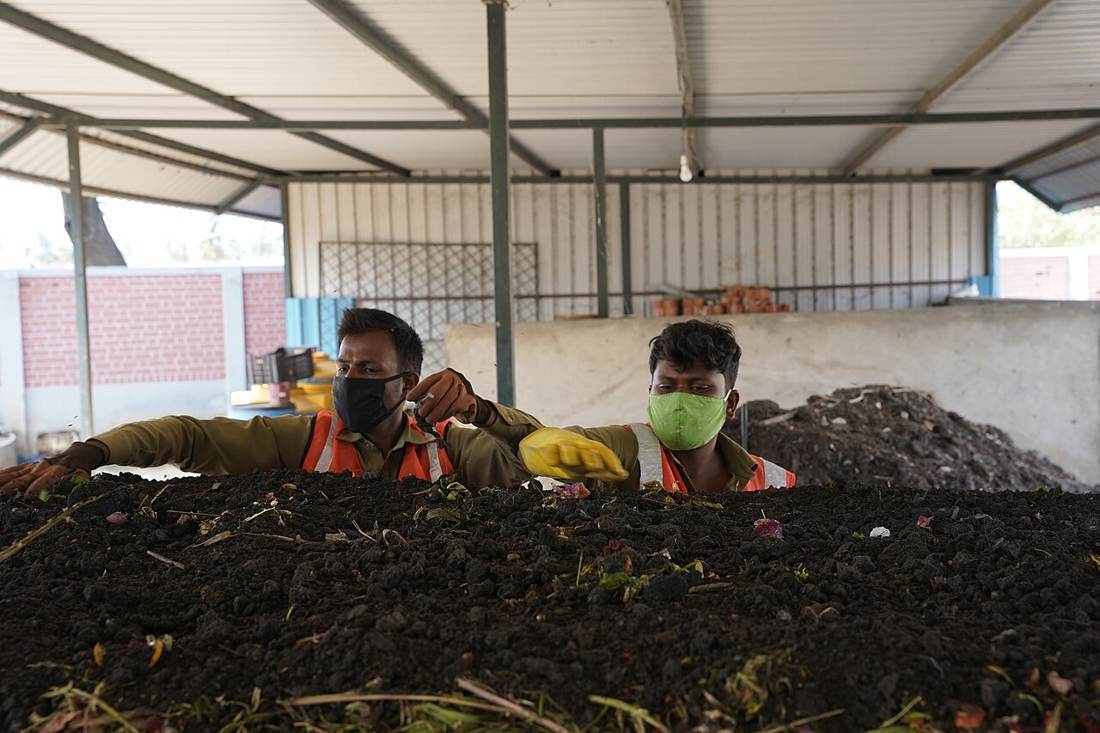
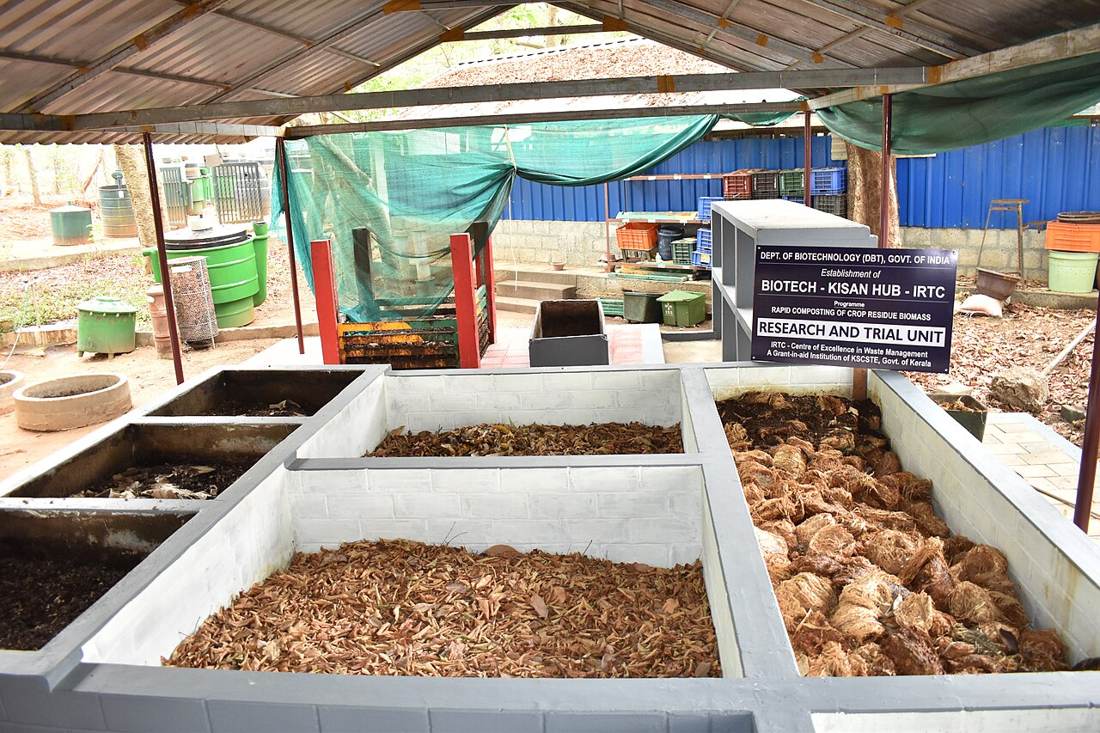
A wireless thermometer in every windrow proves the 55 °C heat phase; Famo counts the hot days and turns against your standard and tells you when to turn.
One record book per field: every input is checked as it is logged, raw-manure intervals and certificate dates are watched, and the inspector gets a clean download.
A countdown to your first organic harvest under your standard, with soil-health and yield trends that show the transition is working.
Certified fields, fields in conversion, the orchard and the polytunnel — together with your other fields in one Famo dashboard. Click a feature, or open the live demo.
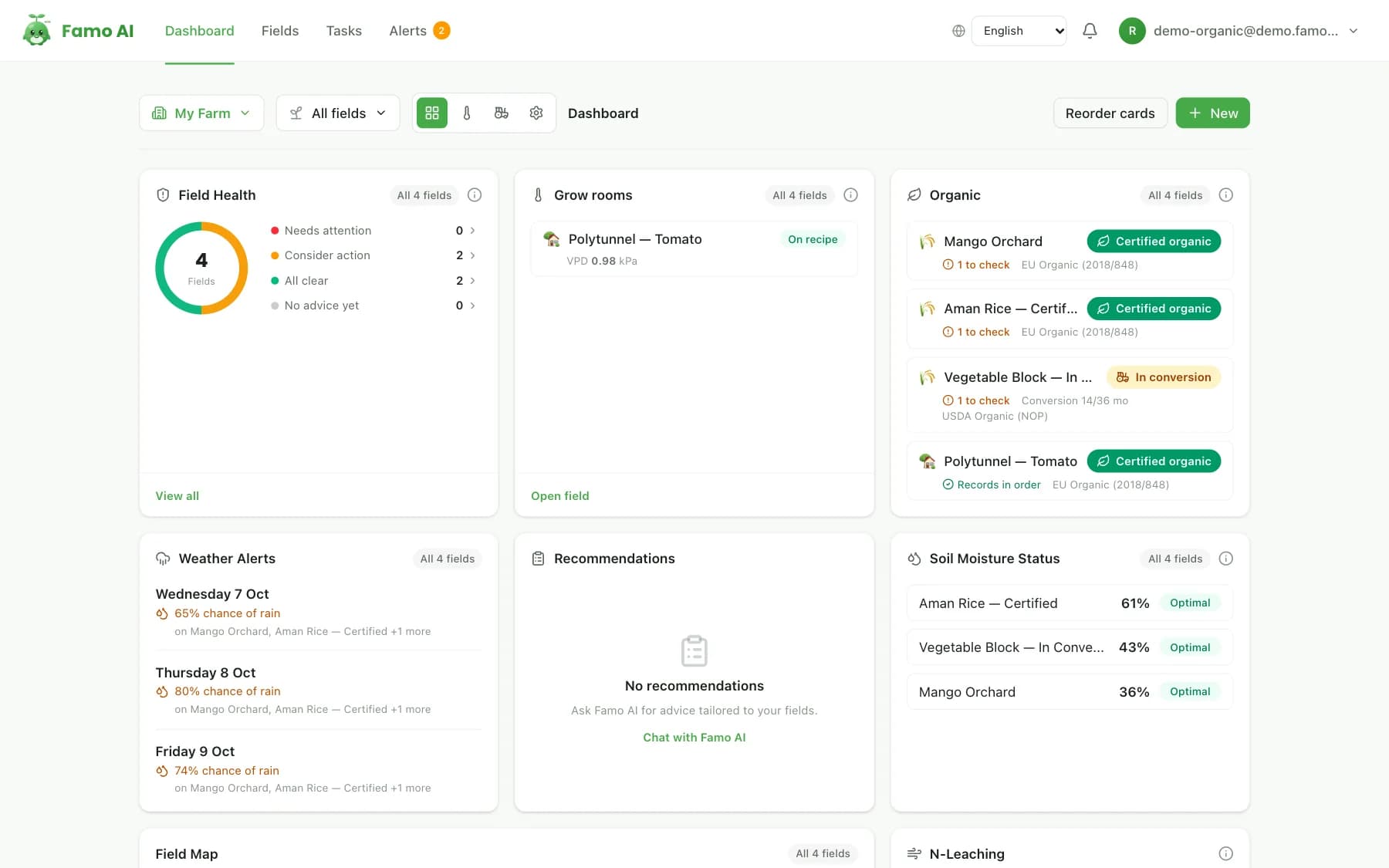
Certified or in conversion, under which standard, and what a certifier would ask about — on the home dashboard.
Most standards ask for two to three years of organic management before a harvest can be sold as organic. Famo makes each of those years count.
What you add
You know where your soil starts and the conversion clock is running — with records from the very first day.
What you add
Organic matter starts to climb, and the crop is fed from the soil instead of the bag.
What you add
Pests are caught early and treated with biologicals — no synthetic sprays to restart the clock.
What you add
Your harvests sell as organic, and every season's records are already in order for the next inspection.
The broad rules most organic standards share. When you log an input, Famo checks it the same way — before it becomes a problem at inspection.
Always confirm with your certification body: rules differ by standard and by country, and an input must also be approved in its formulation. Famo's check is a guide that flags risks early, not a certificate.
Set your farm size and switch on what you need. Every device is a real marketplace product, counted by simple rules you can read in the sizing guide below.
Quantities follow your farm size — one soil node per ~4 ha, one weather station per ~150 ha, and so on. Our team fine-tunes them for your fields.
From space
Sentinel-2 imagery every few days with 30+ vegetation, water and soil indices — NDVI, NDRE, NDWI, EVI and more — for every field you draw.
Maps crop health zone by zone and alerts you when a patch starts falling behind.
Centimetre-level crop maps from a multispectral drone: plant counts, stress patches and gaps that satellites are too coarse to see.
Overlays each flight on your fields and turns stress patches into a spray or fertiliser prescription.
Soil life
Solar LoRa nodes and RS485 probes read moisture, temperature and NPK in the root zone around the clock.
Shows each field's soil live, tracks it against your crop's needs and warns before stress begins.
Field tests for soil respiration, active carbon and organic matter, a probe for nutrients and a sap tester to read the crop itself.
Tracks organic matter and soil life season by season, and plans compost and green manure from the numbers.
Wireless thermometers in every windrow or bay, vermicompost beds, a brewer for compost tea — and a turner for bigger yards.
Proves each batch held 55 °C for long enough, counts the turns your standard asks for and tells you when to turn.
Microbial biofertilisers and seaweed extract to feed the soil life and the crop between compost applications.
Logs every application in the organic record book, checked against the rules as it is written.
Natural protection
Your own rain, wind, temperature, humidity, solar radiation and leaf-wetness readings — the microclimate your crop actually lives in.
Feeds disease-risk and irrigation models with your field's real conditions, not the nearest town's.
AI trap cameras count insects automatically and solar light traps cut pest pressure without chemicals.
Raises a pest alert when counts climb and suggests the right control at the right time.
Solar trap cameras that count one target pest a day, plus sticky traps for whitefly, aphids and thrips.
Will chart catches against action thresholds, so Bt, neem or beneficial insects go on while they still work.
Inter-row cultivators with spring tines and finger weeders — and weeding robots for larger farms.
Will pick the days when weeds are small and the soil is right for a pass, from soil moisture and the forecast.
Spray and spread exactly where it is needed — fast, without trampling the crop, and with far less chemical than a blanket pass.
Logs every spraying and spreading flight — product, rate and area — beside the map that called for it.
Water & nutrients
Drip kits for smaller farms, centre pivots for large ones, with Wi-Fi/4G controllers and remote pump control.
Schedules water from soil moisture, forecast rain and crop stage, and logs every irrigation.
Records & connectivity
One record book per field, the conversion countdown under your standard and every certificate date in one place.
Checks every input as allowed, restricted or prohibited, watches raw-manure intervals and exports a clean file for the inspector.
A LoRaWAN gateway links every sensor across kilometres of fields and sends the data out over 4G or Wi-Fi.
Pairs each device to its field in a few taps and tells you when one goes quiet.
Organic under cover is grown in living soil. Set your planted area — sensors, compost and pest-exclusion are sized for it.
The area your plants grow on, across every tier. Sensors, cameras and controllers are sized to it; our team fine-tunes the layout with you.
Climate
The structure your crop grows in — lit vertical racks, a greenhouse, a container farm, a living grow wall or aeroponic towers.
Maps every rack, bay or tower as its own zone, so each one has its own data, tasks and history.
Temperature, humidity, CO₂ and PAR light sensors in every zone — the numbers behind every healthy grow room.
Calculates VPD and DLI live and flags any zone drifting away from its crop recipe.
A climate controller with fans, cooling pads and ventilation keeps temperature and humidity on target.
Suggests setpoints from your crop recipe and the outside forecast, and connects to controllers over Modbus/MQTT.
Soil life
Soil probes in the beds for moisture, temperature and EC, a handheld tester and a soil-biology kit.
Times irrigation and compost tea to the beds, and follows soil life from season to season.
Wireless thermometers in every windrow or bay, vermicompost beds, a brewer for compost tea — and a turner for bigger yards.
Proves each batch held 55 °C for long enough, counts the turns your standard asks for and tells you when to turn.
Microbial biofertilisers and seaweed extract to feed the soil life and the crop between compost applications.
Logs every application in the organic record book, checked against the rules as it is written.
Natural protection
Insect nets on the vents and doors, sticky cards for monitoring and mass trapping, and a smart trap for the key pest.
Logs every net, card change and beneficial-insect release in the organic record book.
Fixed multispectral and RGB cameras watch every plant, every day — growth, colour and early signs of stress.
Flags stressed plants before the problem is visible and forecasts yield and harvest date.
Water & nutrients
Drip tape along every bed and a smart controller — water and liquid bio-inputs straight to the root zone.
Schedules watering from the bed sensors and records each compost-tea feed.
Records & connectivity
One record book per field, the conversion countdown under your standard and every certificate date in one place.
Checks every input as allowed, restricted or prohibited, watches raw-manure intervals and exports a clean file for the inspector.
Ask Famo anything about your grow room by voice or chat, any hour, in your own language.
Explains what changed, why it matters and what to do next — from all your sensors at once.
A gateway that links every sensor, camera and controller and sends the data out over 4G or Wi-Fi.
Pairs each device to its zone and warns you when one goes offline.
The rules behind both builders, published. Switch units to see the exact count for farms like yours.
What an organic field farm needs, by size. Switch between hectares and acres.
| Device | How many | Why | 2 ha | 20 ha | 100 ha | 500 ha |
|---|---|---|---|---|---|---|
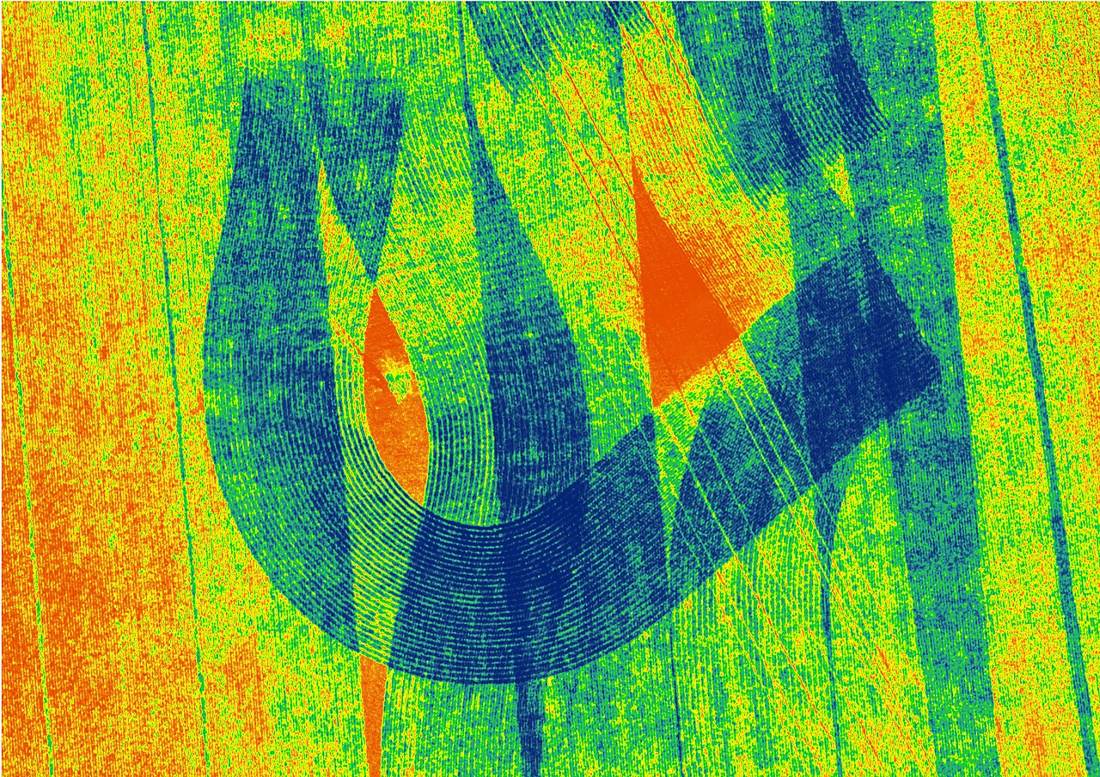 Multispectral Crop-Mapping DroneMultispectral drone mapping Multispectral Crop-Mapping DroneMultispectral drone mapping | 1 per farm | One multispectral drone maps up to ~100 ha a day — enough to fly a farm this size every week. | 1 | 1 | 1 | — |
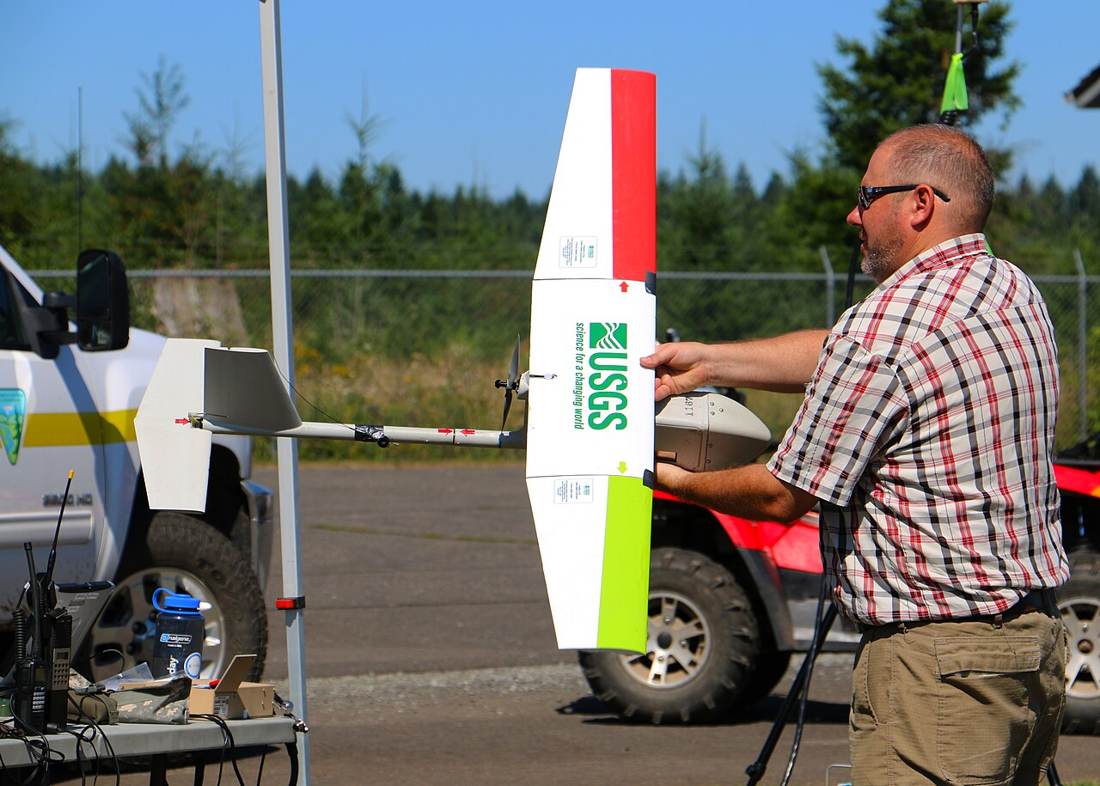 VTOL Fixed-Wing Mapping DroneMultispectral drone mapping VTOL Fixed-Wing Mapping DroneMultispectral drone mapping | 1 per farm | Above ~300 ha, a fixed-wing VTOL drone covers several hundred hectares per flight. | — | — | — | 1 |
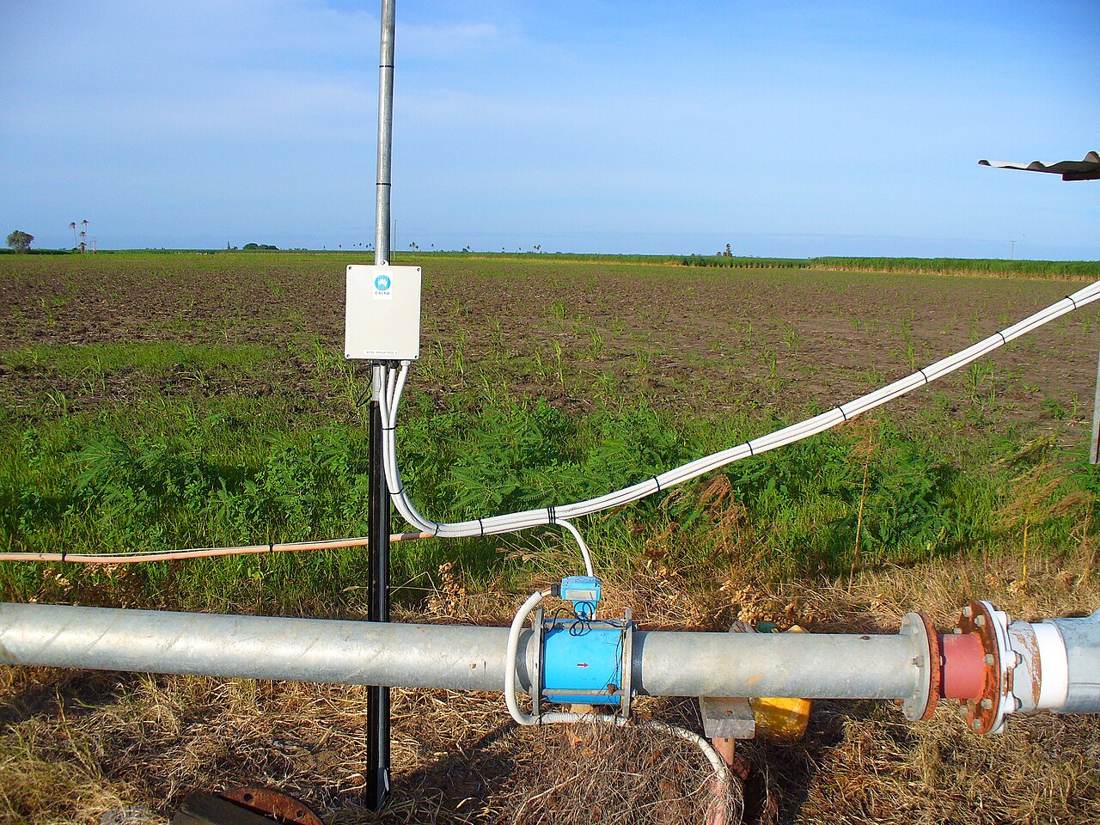 LoRa Soil Node (Solar)Live soil sensor network LoRa Soil Node (Solar)Live soil sensor network | 1 per 4 ha (min. 2) | Soil moisture changes with texture and slope; one node per ~4 ha (10 acres) catches the differences between zones. | 2 | 5 | 25 | 125 |
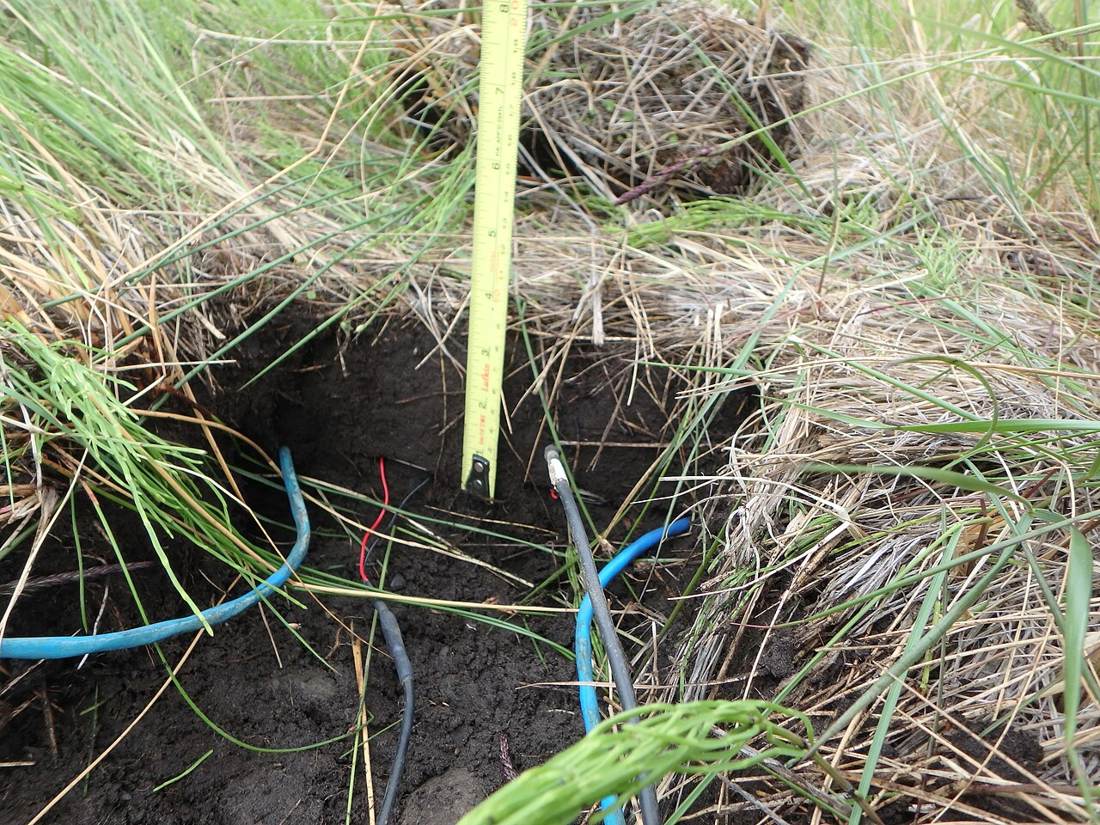 Soil NPK Sensor (RS485)Live soil sensor network Soil NPK Sensor (RS485)Live soil sensor network | 1 per 10 ha | Nutrients change more slowly than moisture, so one NPK probe per ~10 ha is enough to follow them. | 1 | 2 | 10 | 50 |
 Soil Biology & Health Test KitSoil health & biology Soil Biology & Health Test KitSoil health & biology | 1 per farm | One kit tests every field twice a year — respiration, active carbon and organic matter. | 1 | 1 | 1 | 1 |
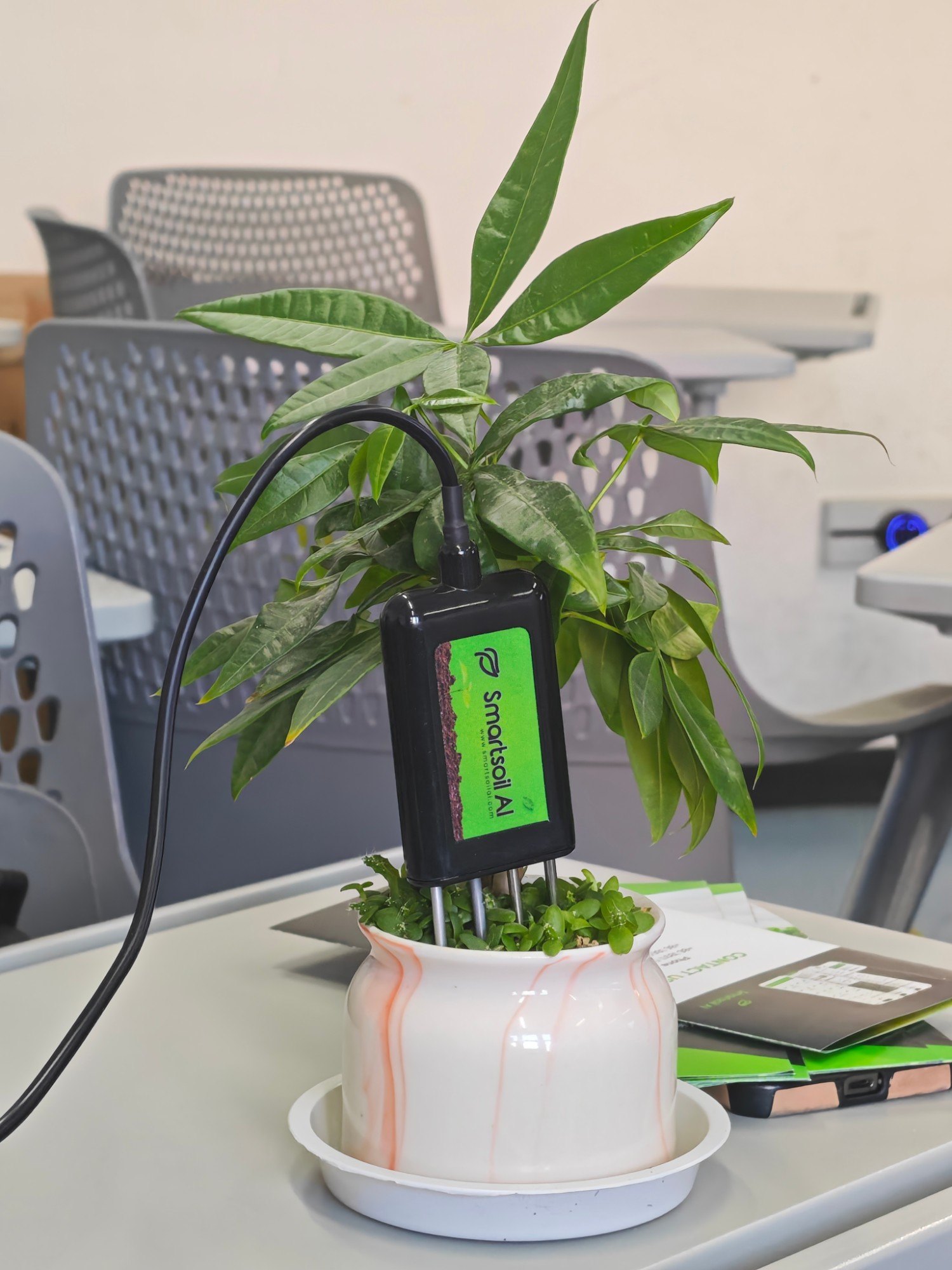 SmartSoil 8-in-1 Soil SensorSoil health & biology SmartSoil 8-in-1 Soil SensorSoil health & biology | 1 per 50 ha | A hand tester visits every field: one tester easily covers ~50 ha of regular spot checks. | 1 | 1 | 2 | 10 |
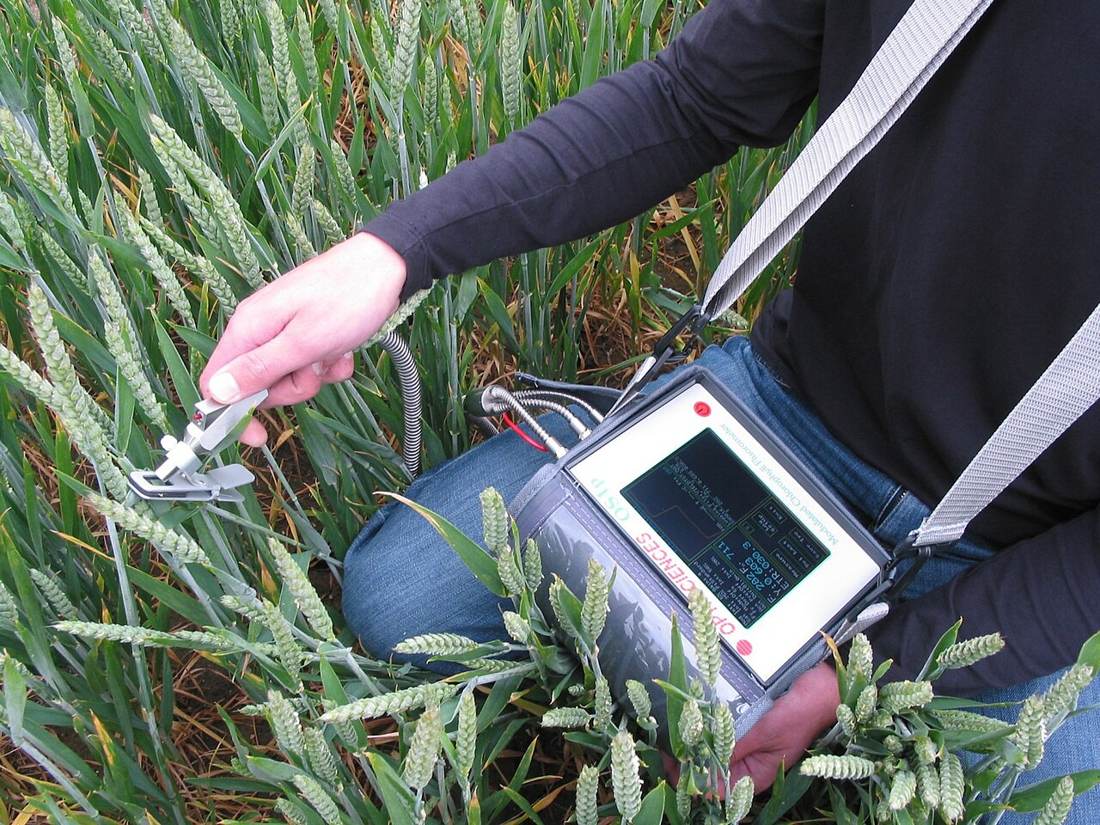 Handheld Plant Nutrient AnalyzerSoil health & biology Handheld Plant Nutrient AnalyzerSoil health & biology | 1 per farm | Reads nitrate and potassium in the plant's sap, so feeding is timed to the crop, not guessed. | 1 | 1 | 1 | 1 |
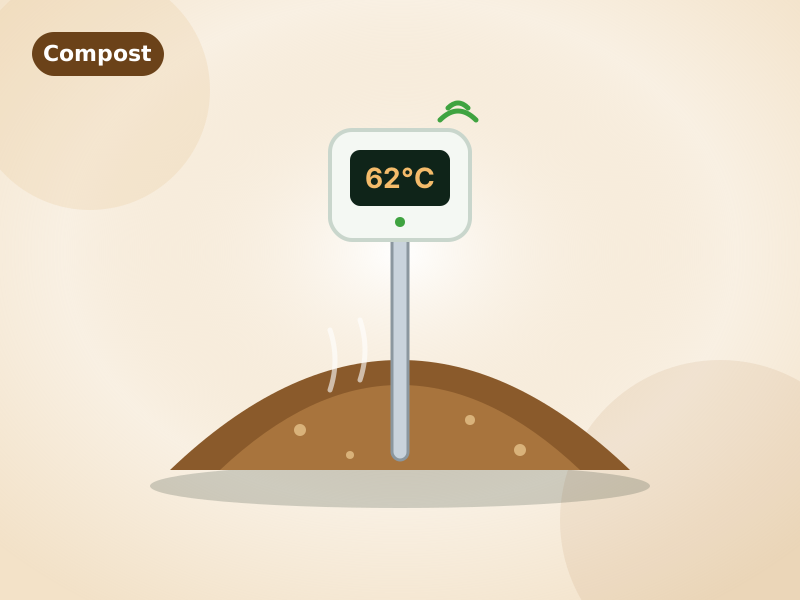 Wireless Compost Thermometer (1 m probe, LoRa)Compost & vermicompost Wireless Compost Thermometer (1 m probe, LoRa)Compost & vermicompost | 1 per 5 ha (min. 2) | One per active windrow or bay — about one per 5 ha of compost demand, at least two. | 2 | 4 | 20 | 100 |
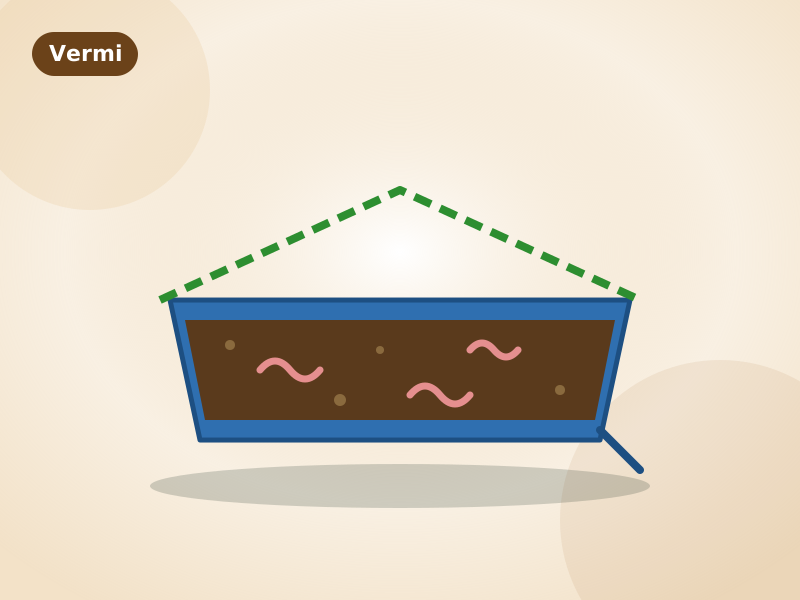 Vermicompost Bed Kit (HDPE, 12 × 4 ft)Compost & vermicompost Vermicompost Bed Kit (HDPE, 12 × 4 ft)Compost & vermicompost | 1 per 0.5 ha | On small farms, one 12 × 4 ft bed per half hectare makes enough vermicompost for vegetables. | 4 | — | — | — |
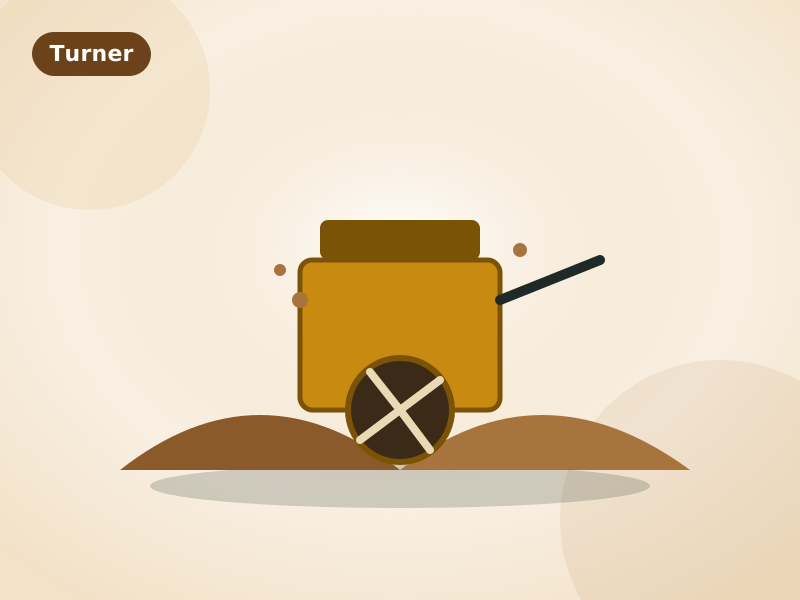 Compost Windrow Turner (Tractor-Towed)Compost & vermicompost Compost Windrow Turner (Tractor-Towed)Compost & vermicompost | 1 per farm | Above about 20 ha, the compost needed is too much to turn by hand. | — | 1 | 1 | 1 |
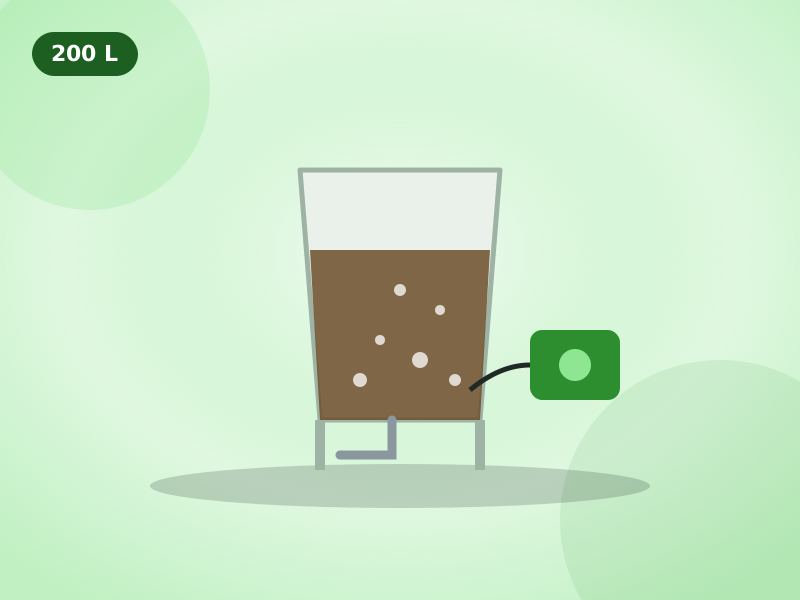 Compost Tea & Bio-Input Brewer (200 L)Compost & vermicompost Compost Tea & Bio-Input Brewer (200 L)Compost & vermicompost | 1 per 4 ha | One 200 L batch a week covers about 4 ha of compost-tea feeding. | 1 | 5 | 25 | 125 |
 Microbial Bio-FertiliserBiofertilisers & biostimulants Microbial Bio-FertiliserBiofertilisers & biostimulants | 1 per 1 ha | About one pack per hectare per season. | 2 | 20 | 100 | 500 |
 Seaweed Extract BiostimulantBiofertilisers & biostimulants Seaweed Extract BiostimulantBiofertilisers & biostimulants | 1 per 1 ha | About one pack per hectare per season, as a foliar feed. | 2 | 20 | 100 | 500 |
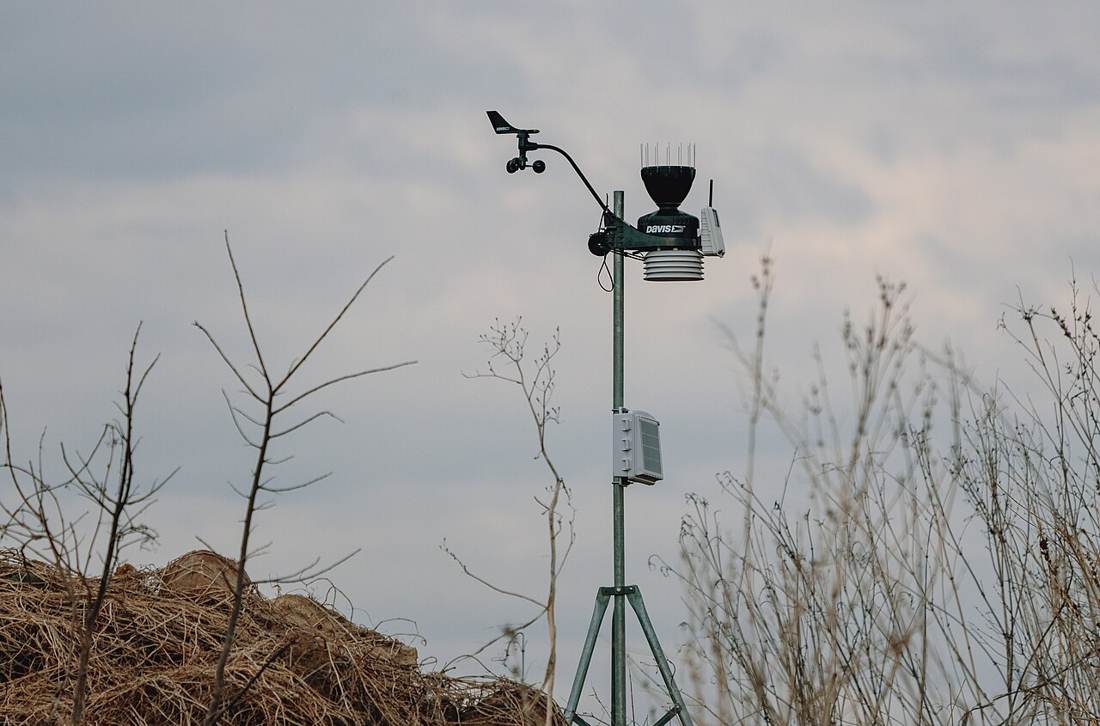 Agricultural Weather Station (7-in-1)On-farm weather station Agricultural Weather Station (7-in-1)On-farm weather station | 1 per 150 ha | Weather is fairly uniform over a few kilometres; one station per ~150 ha captures your microclimate. | 1 | 1 | 1 | 4 |
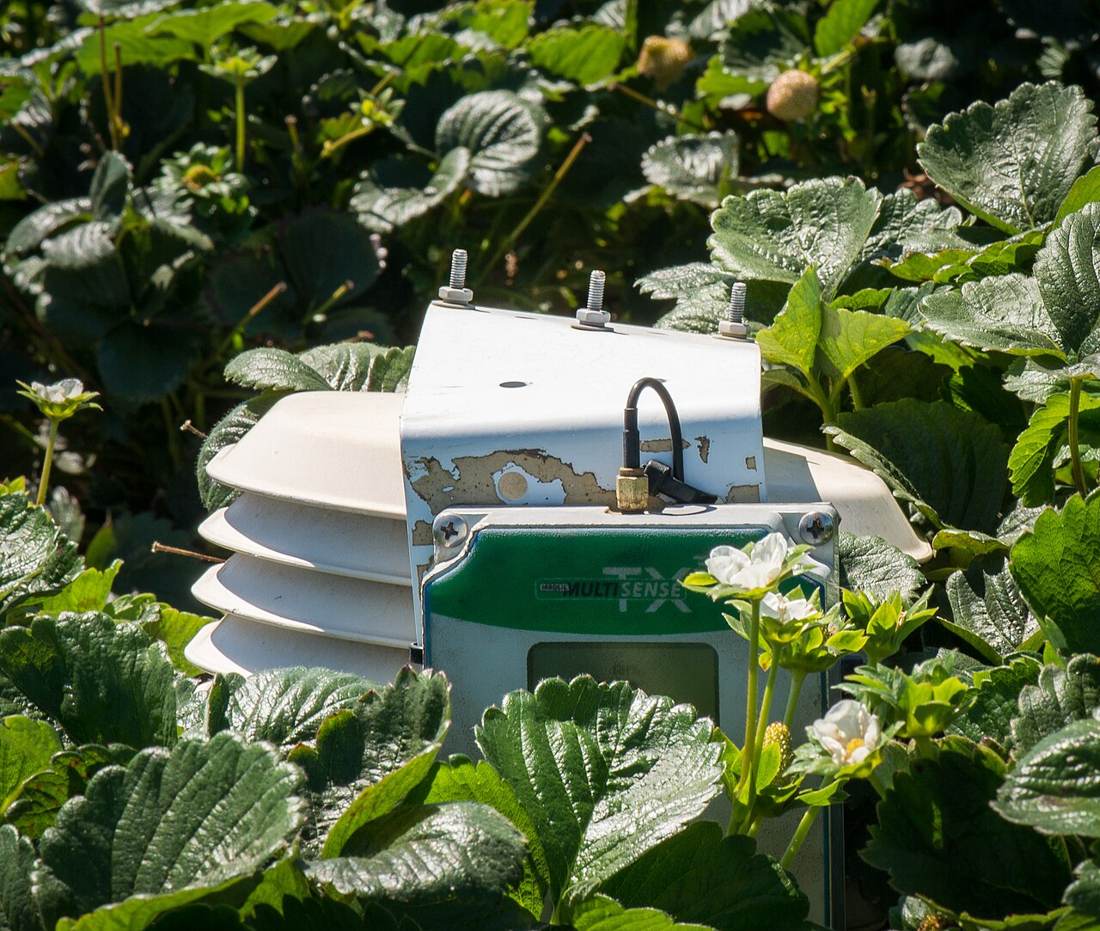 Leaf-Wetness SensorOn-farm weather station Leaf-Wetness SensorOn-farm weather station | 1 per 50 ha | Leaf wetness drives fungal disease and varies by canopy and low spots — one per ~50 ha. | 1 | 1 | 2 | 10 |
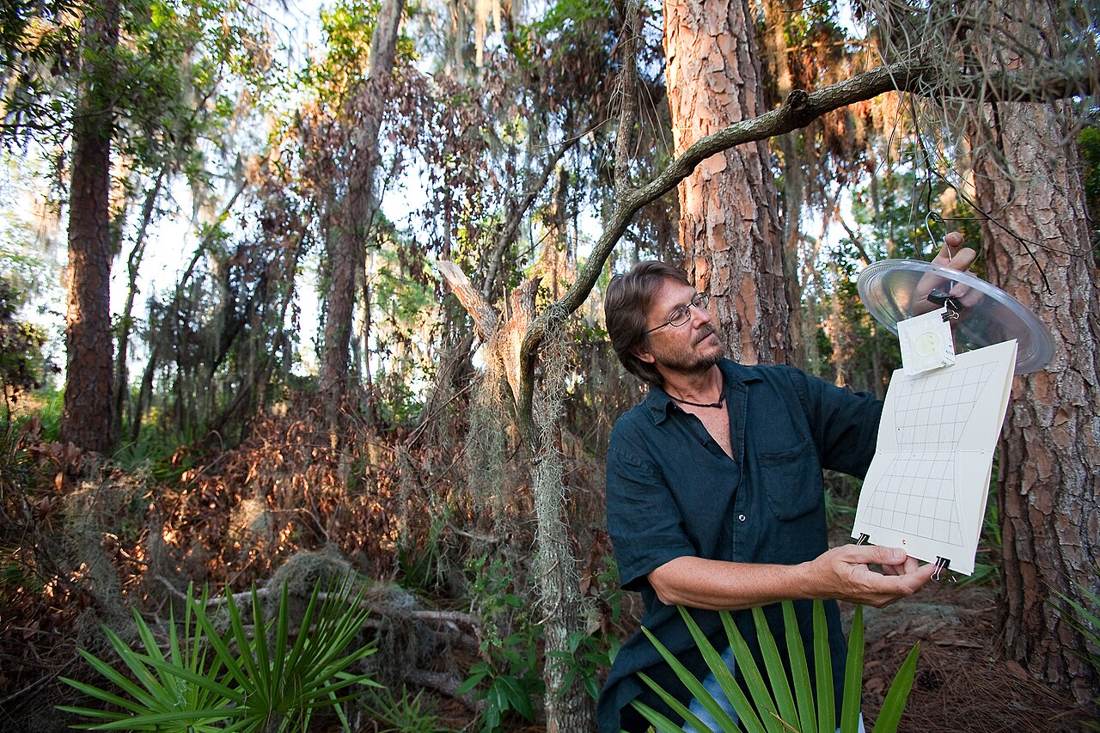 AI Pest-Monitoring Trap CameraPest & disease watch AI Pest-Monitoring Trap CameraPest & disease watch | 1 per 25 ha | An AI trap camera samples the pest population over roughly 25 ha. | 1 | 1 | 4 | 20 |
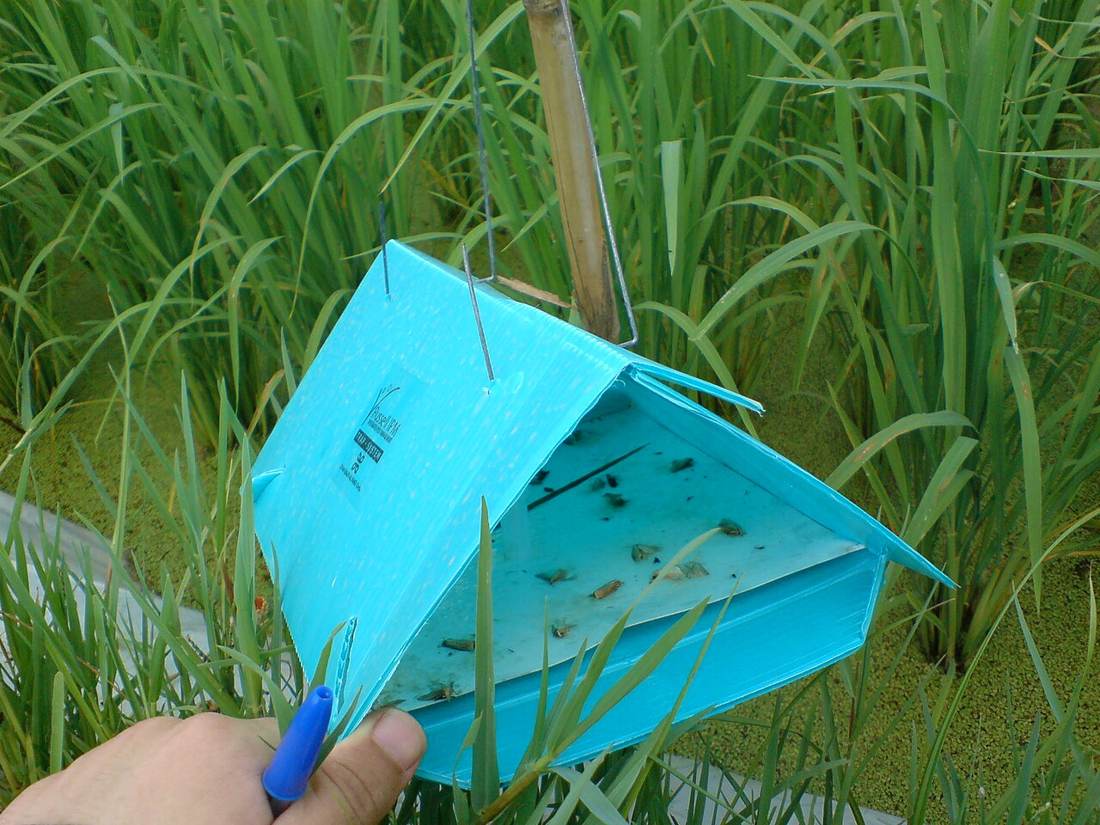 Solar Insect Trap LampPest & disease watch Solar Insect Trap LampPest & disease watch | 1 per 5 ha (min. 2) | Light traps work locally; one per ~5 ha reduces night-flying pests across the field. | 2 | 4 | 20 | 100 |
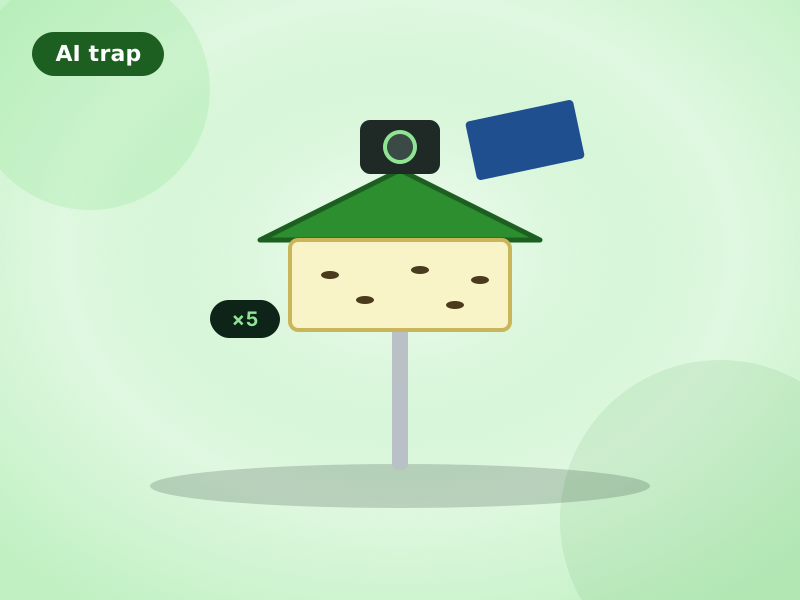 Smart Pheromone Trap with CameraSmart pheromone traps Smart Pheromone Trap with CameraSmart pheromone traps | 1 per 2 ha (min. 2) | One per ~2 ha for each key pest, at least two per block to see the trend. | 2 | 10 | 50 | 250 |
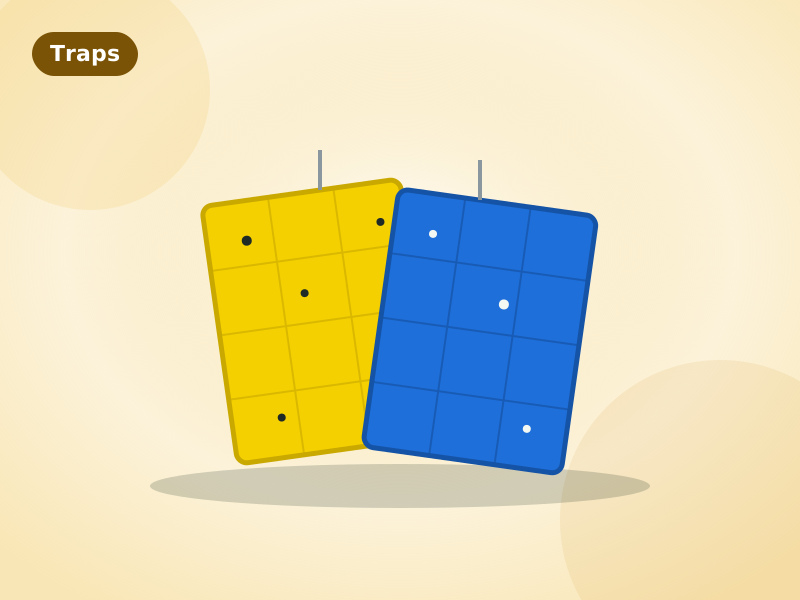 Yellow & Blue Sticky Traps (pack of 50)Smart pheromone traps Yellow & Blue Sticky Traps (pack of 50)Smart pheromone traps | 1 per 2 ha | Two packs of 50 cards per hectare for monitoring through the season. | 1 | 10 | 50 | 250 |
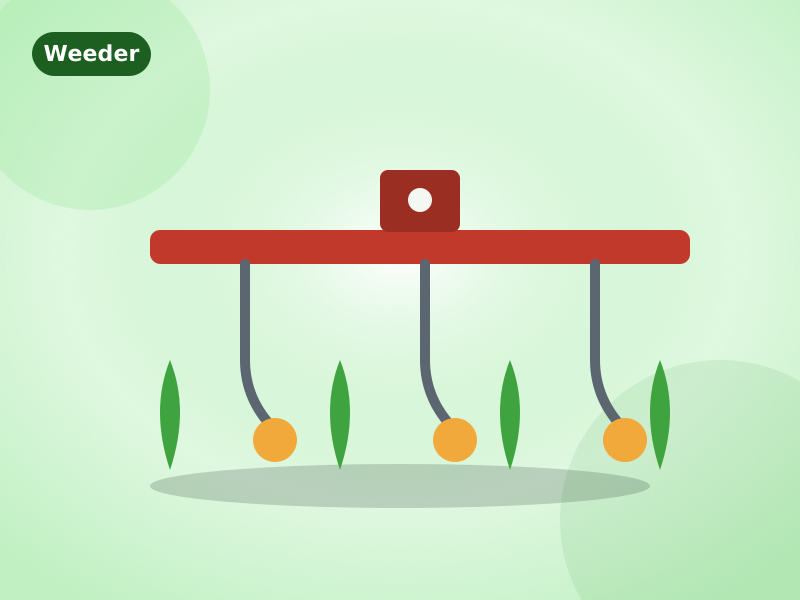 Inter-Row Mechanical Weeder (Tractor, 4–6 rows)Mechanical weeding Inter-Row Mechanical Weeder (Tractor, 4–6 rows)Mechanical weeding | 1 per farm | From about 5 ha of row crops, a tractor weeder pays for itself in labour. | — | 1 | 1 | 1 |
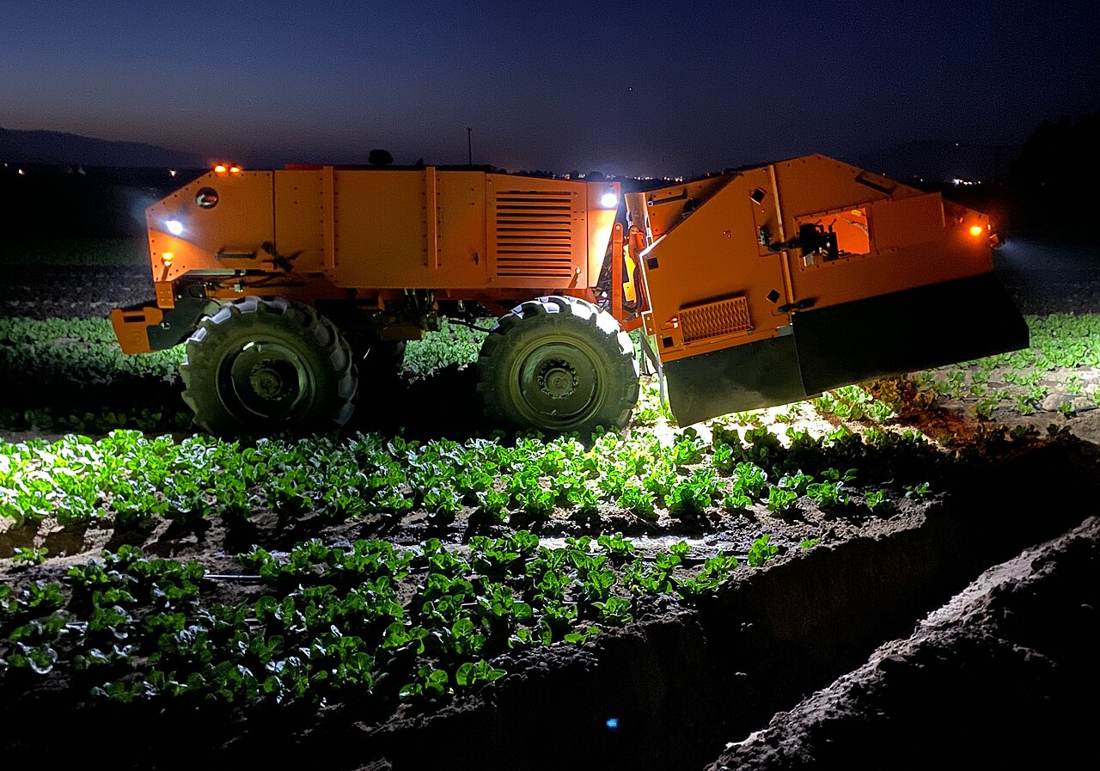 Autonomous Row-Crop Weeding RobotMechanical weeding Autonomous Row-Crop Weeding RobotMechanical weeding | 1 per 40 ha | A weeding robot clears about 40 ha in a season, working day and night. | — | — | 3 | 13 |
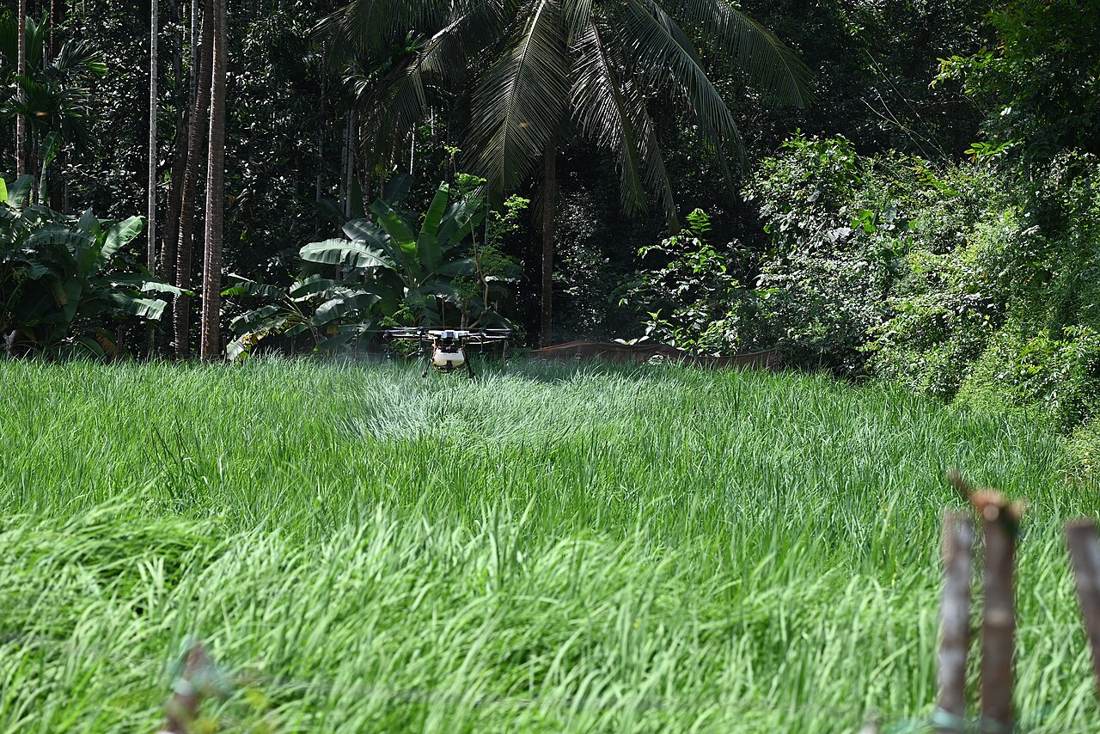 10L Agricultural Spray DroneSpraying & spreading drones 10L Agricultural Spray DroneSpraying & spreading drones | 1 per farm | A 10 L drone sprays a small farm in a morning without trampling the crop. | 1 | — | — | — |
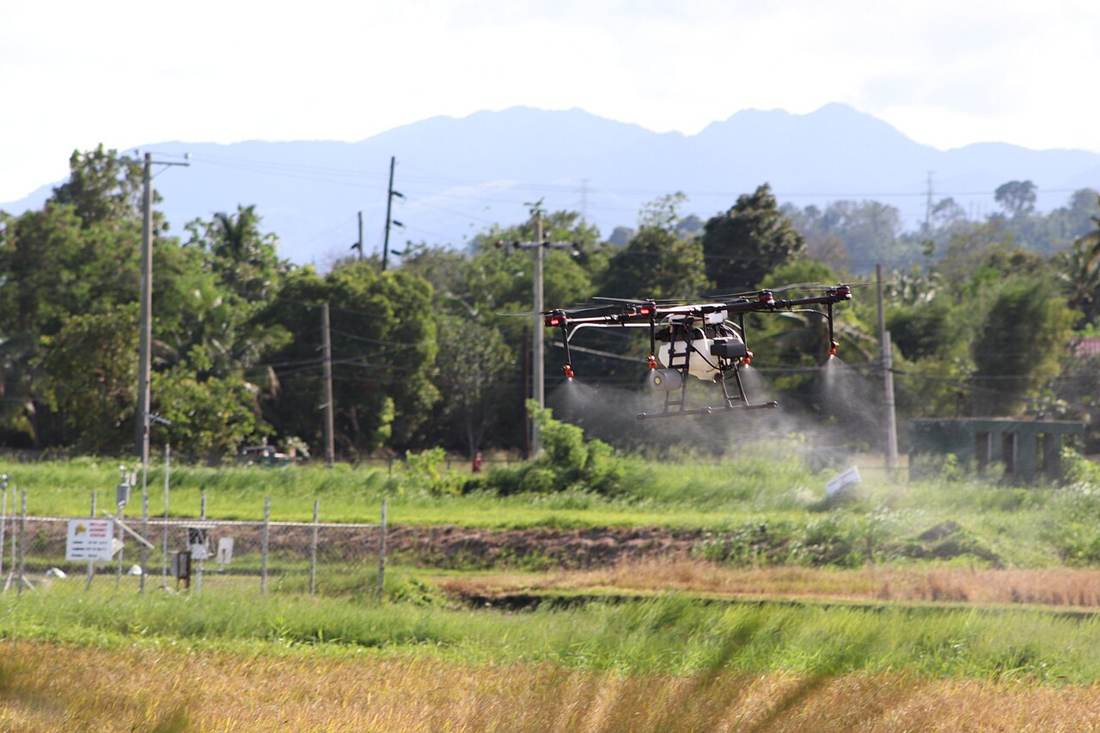 30L Agricultural Spray DroneSpraying & spreading drones 30L Agricultural Spray DroneSpraying & spreading drones | 1 per 150 ha | A 30 L drone sprays roughly 10–15 ha an hour; one per 150 ha keeps every field within a spray window. | — | 1 | 1 | 4 |
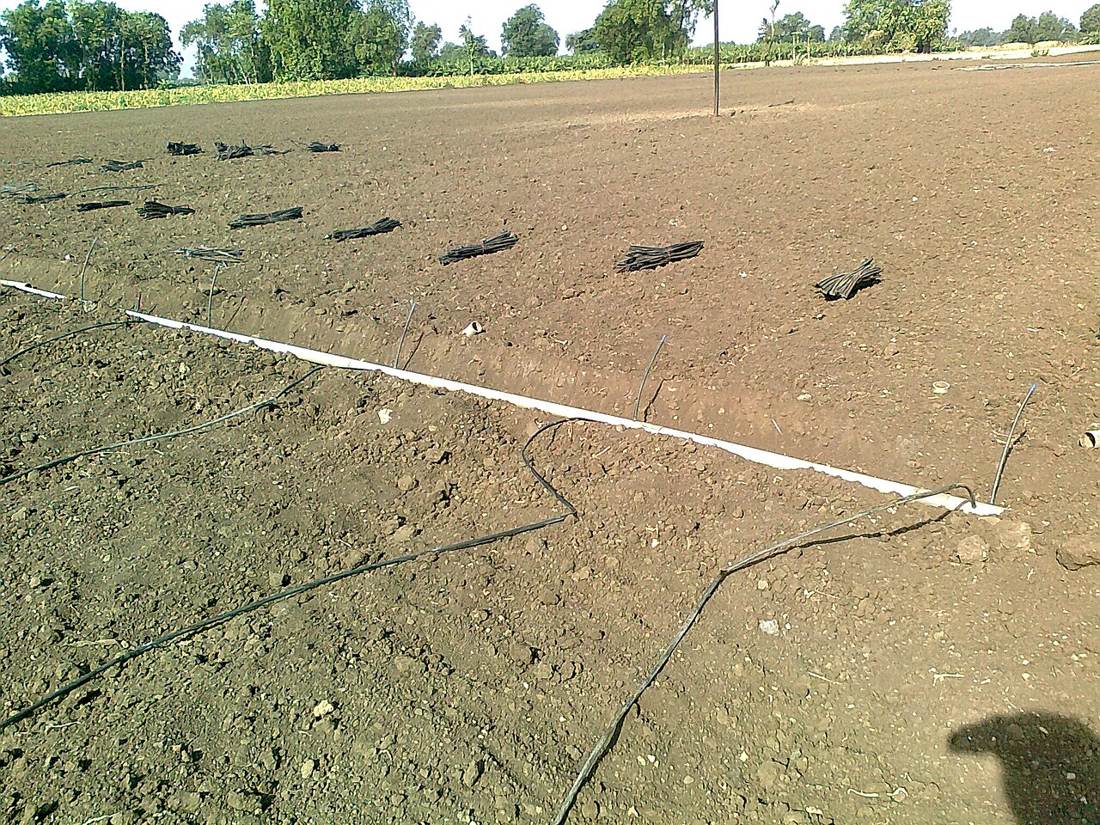 Drip Irrigation Kit (1 Hectare)Smart irrigation Drip Irrigation Kit (1 Hectare)Smart irrigation | 1 per 1 ha | Drip kits come per hectare; under ~30 ha, drip is the most water-efficient choice. | 2 | 20 | — | — |
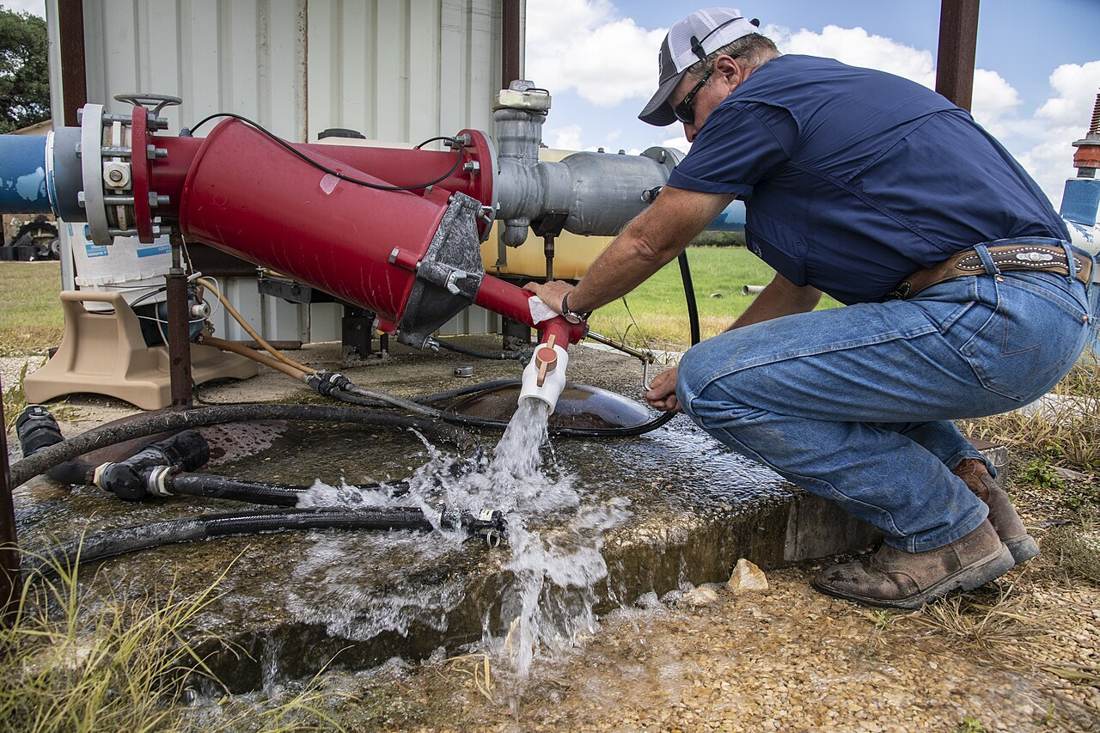 Disc Filter Set (Drip Systems)Smart irrigation Disc Filter Set (Drip Systems)Smart irrigation | 1 per 5 ha | One disc filter set protects the drip lines of about 5 ha. | 1 | 4 | — | — |
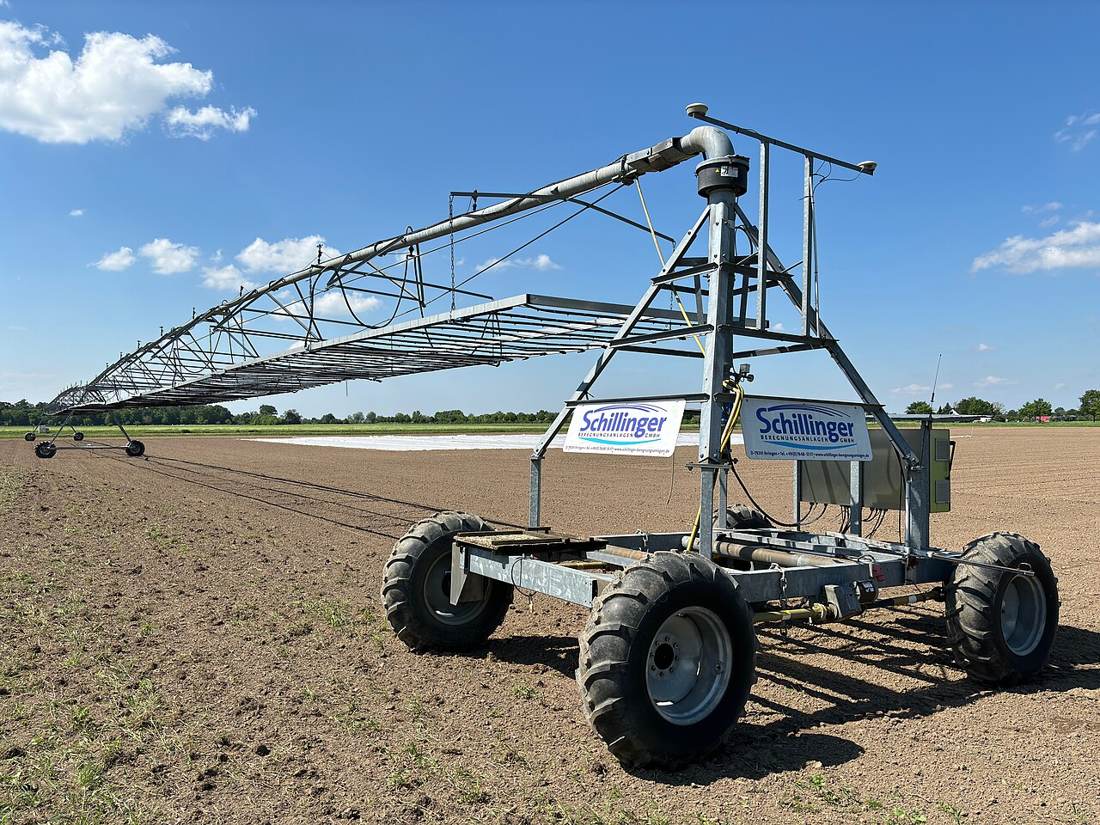 Centre-Pivot Irrigation System (50 ha)Smart irrigation Centre-Pivot Irrigation System (50 ha)Smart irrigation | 1 per 50 ha | Above ~30 ha, a centre pivot irrigates around 50 ha per machine with far less labour. | — | — | 2 | 10 |
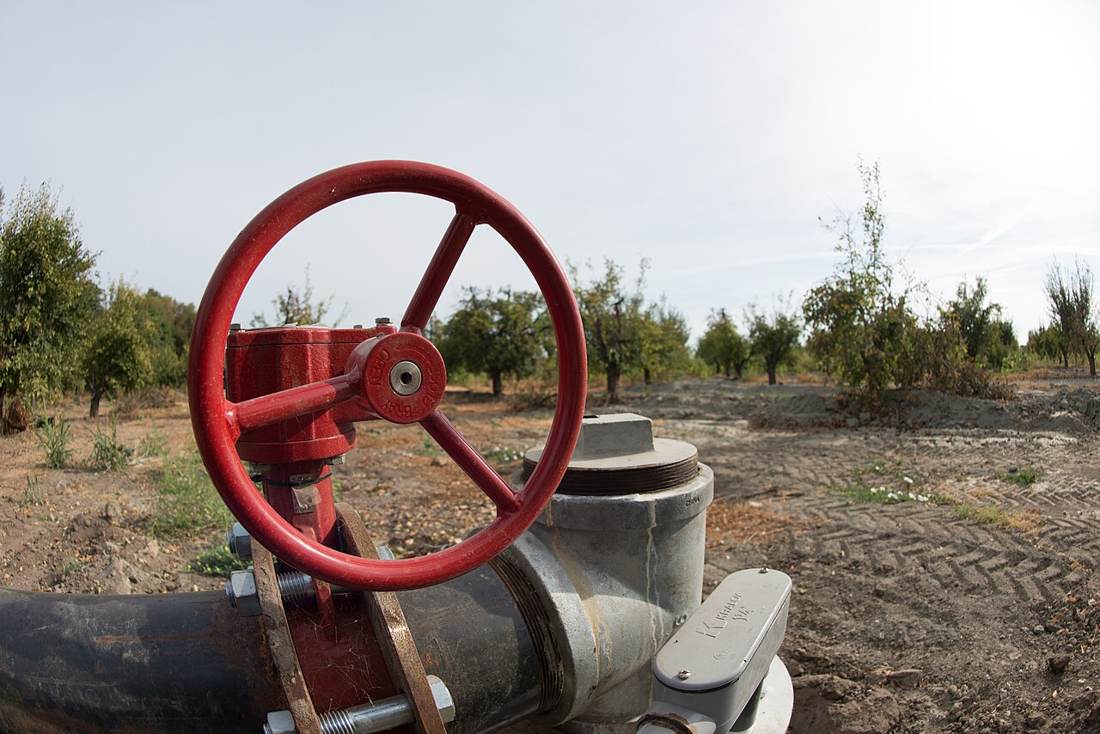 Smart Irrigation Controller (WiFi/4G)Smart irrigation Smart Irrigation Controller (WiFi/4G)Smart irrigation | 1 per 10 ha | One smart controller runs the valves of a ~10 ha irrigation block. | 1 | 2 | 10 | 50 |
| LoRaWAN Outdoor GatewayFarm-wide connectivity | 1 per 300 ha | A LoRaWAN gateway reaches sensors 2–5 km away — one covers up to ~300 ha of open land. | 1 | 1 | 1 | 2 |
Rules of thumb for one farm with its own compost yard. Many small plots, several key pests or a large compost operation need more traps and probes; our team adjusts the kit after a farm visit.
What an organic polytunnel or greenhouse needs, by planted area.
| Device | How many | Why | 50 m² | 300 m² | 2,000 m² | 10,000 m² |
|---|---|---|---|---|---|---|
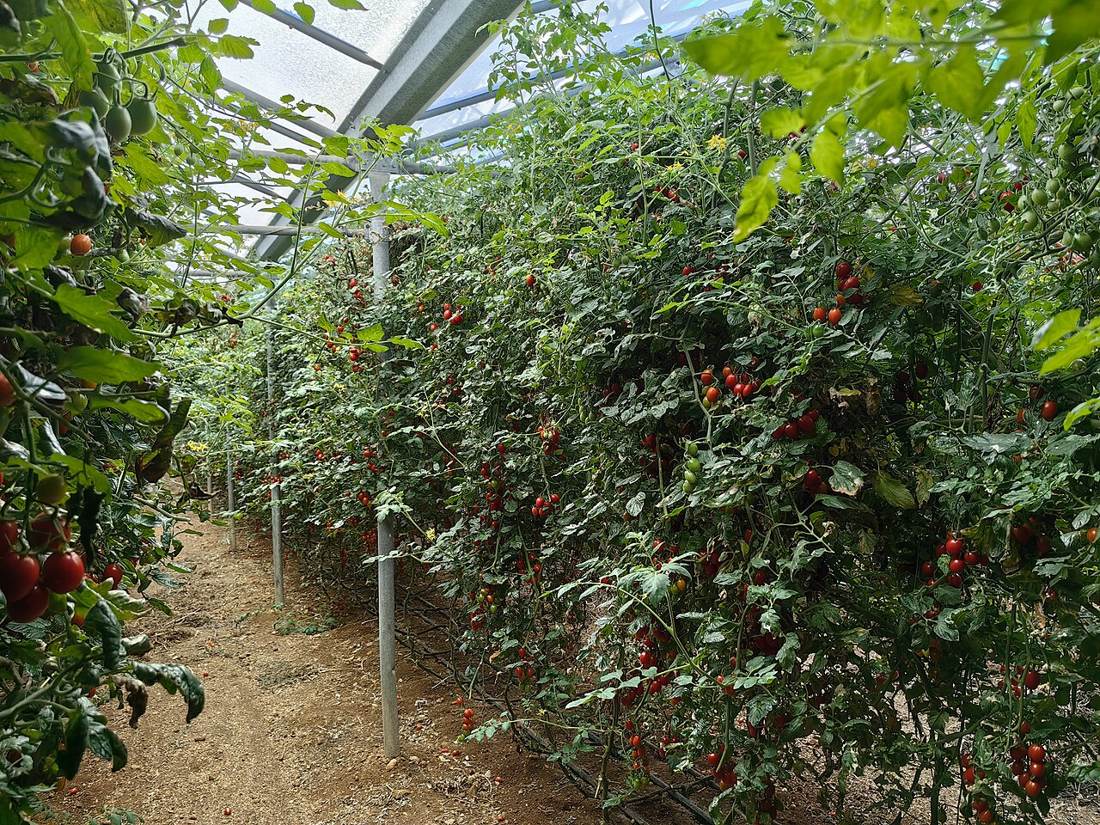 Multi-Span Film Greenhouse Kit (per 1,000 m²)Growing system Multi-Span Film Greenhouse Kit (per 1,000 m²)Growing system | 1 per 1,000 m² | Multi-span film greenhouses are built in 1,000 m² sections — best value from ~500 m². | — | — | 2 | 10 |
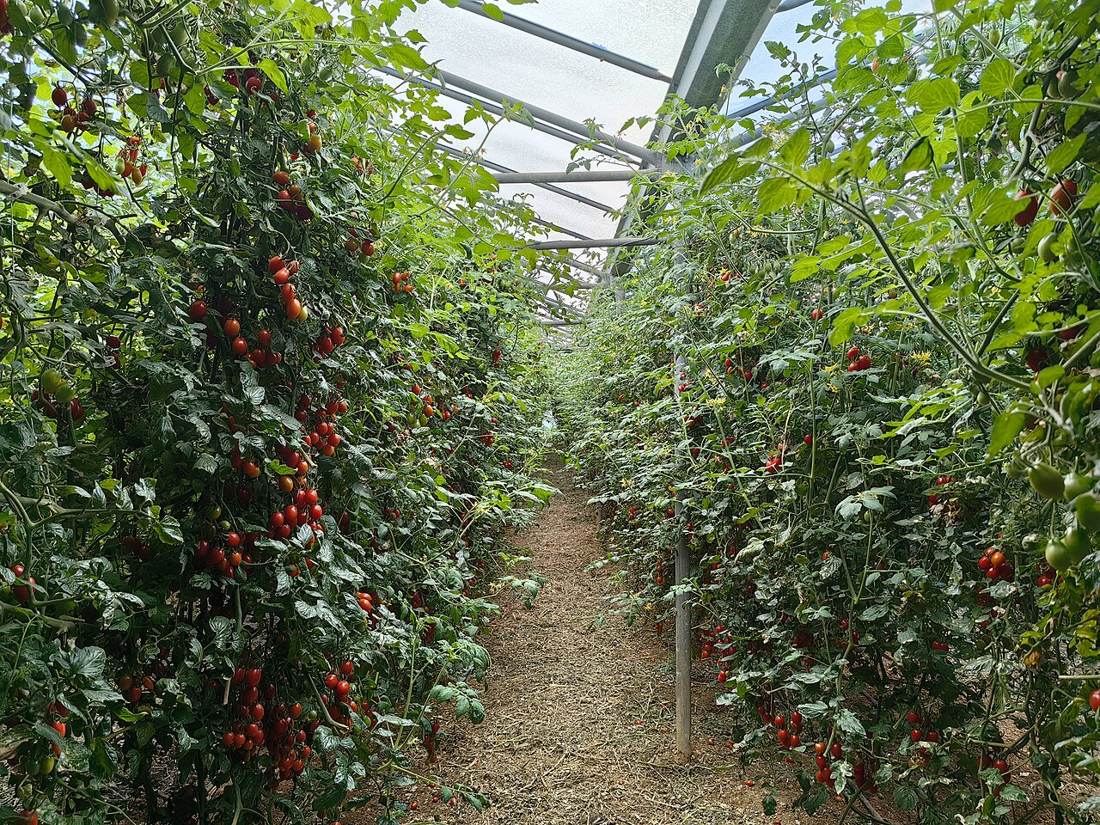 Polycarbonate Greenhouse Kit (per 100 m²)Growing system Polycarbonate Greenhouse Kit (per 100 m²)Growing system | 1 per 100 m² | Below ~500 m², polycarbonate greenhouse kits come in 100 m² sections. | 1 | 3 | — | — |
 Greenhouse Climate Sensor (Temp, Humidity, VPD)Climate sensing Greenhouse Climate Sensor (Temp, Humidity, VPD)Climate sensing | 1 per 100 m² | Temperature and humidity vary between zones; one sensor per ~100 m² finds hot and humid spots. | 1 | 3 | 20 | 100 |
 NDIR CO₂ Sensor (0–5,000 ppm)Climate sensing NDIR CO₂ Sensor (0–5,000 ppm)Climate sensing | 1 per 250 m² | CO₂ mixes well within a room; one NDIR sensor per ~250 m² is enough. | 1 | 2 | 8 | 40 |
 PAR / PPFD Light SensorClimate sensing PAR / PPFD Light SensorClimate sensing | 1 per 500 m² | One PAR sensor per ~500 m² measures the light your crop actually receives. | 1 | 1 | 4 | 20 |
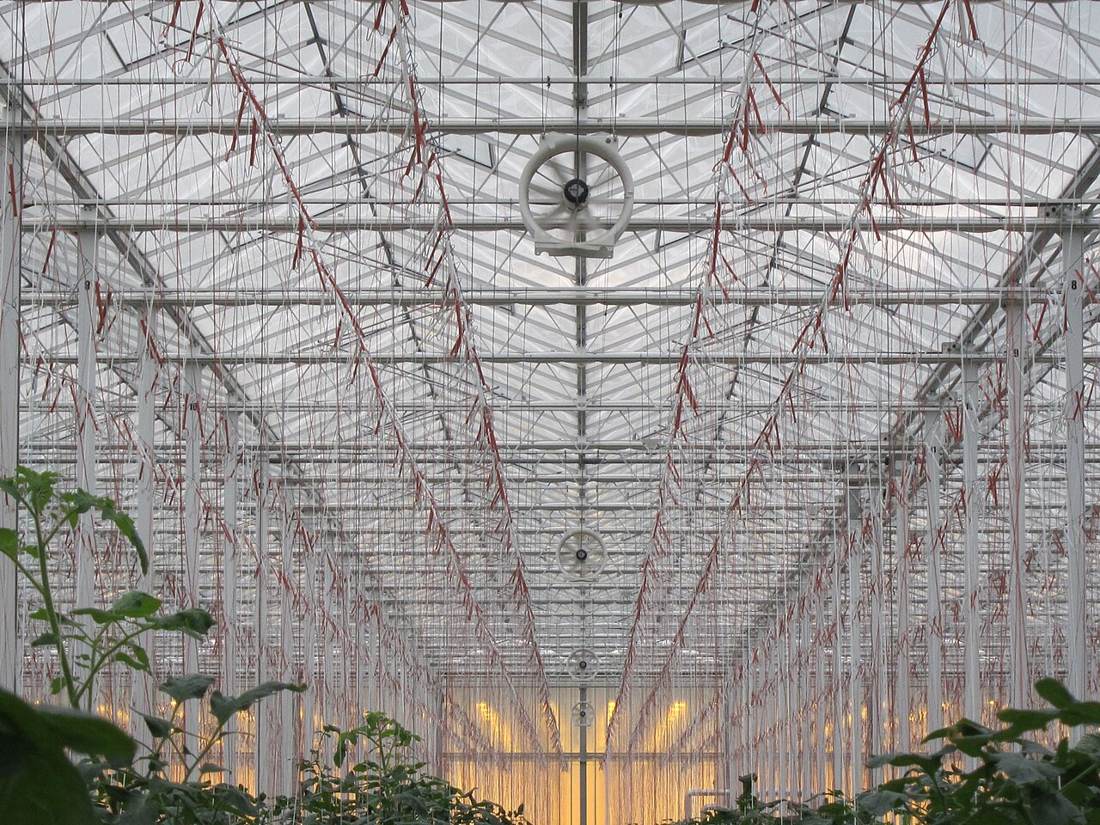 Greenhouse Climate ControllerClimate control Greenhouse Climate ControllerClimate control | 1 per 2,000 m² | One controller runs the fans, vents and cooling of up to ~2,000 m². | 1 | 1 | 1 | 5 |
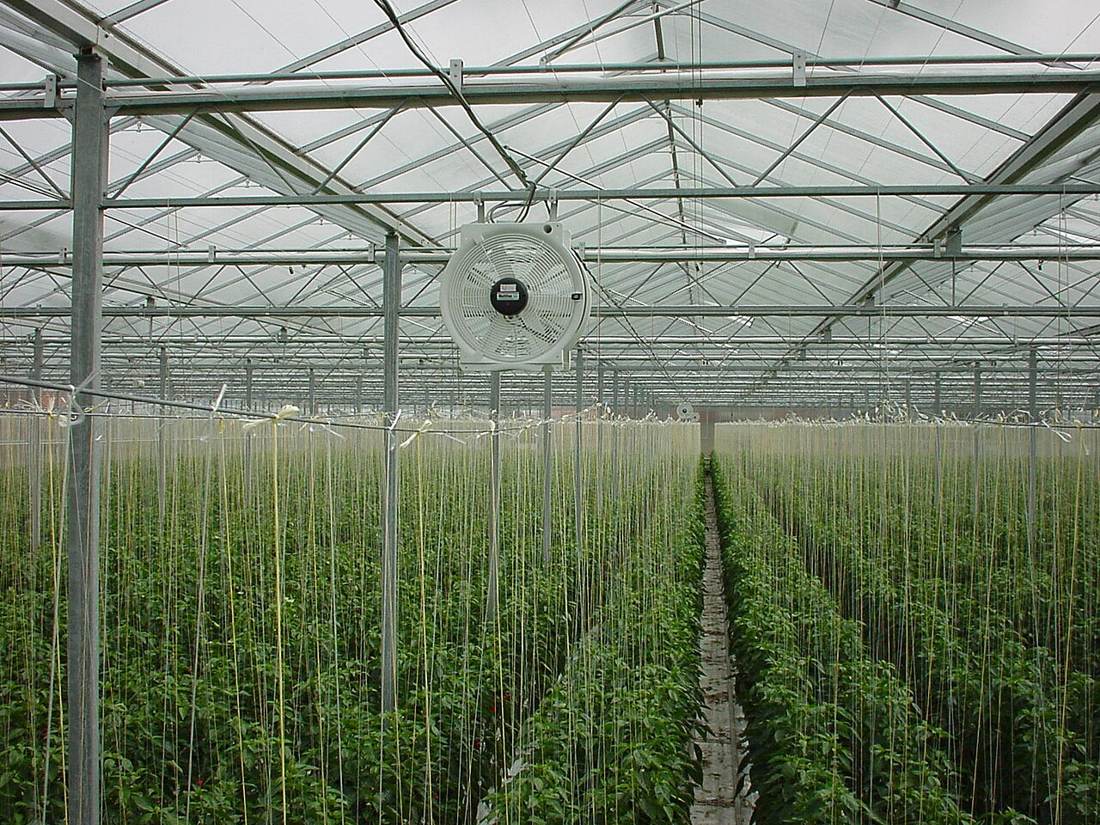 Greenhouse Cooling Fan & Pad KitClimate control Greenhouse Cooling Fan & Pad KitClimate control | 1 per 1,000 m² | One fan-and-pad cooling kit per ~1,000 m² of greenhouse. | 1 | 1 | 2 | 10 |
| LoRa Soil Node (Solar)Bed sensors & soil tests | 1 per 500 m² (min. 2) | One probe per ~500 m² of beds, at least two per tunnel. | 2 | 2 | 4 | 20 |
| SmartSoil 8-in-1 Soil SensorBed sensors & soil tests | 1 per farm | A hand tester visits every field: one tester easily covers ~50 ha of regular spot checks. | 1 | 1 | 1 | 1 |
| Soil Biology & Health Test KitBed sensors & soil tests | 1 per farm | One kit tests every field twice a year — respiration, active carbon and organic matter. | 1 | 1 | 1 | 1 |
| Vermicompost Bed Kit (HDPE, 12 × 4 ft)Compost & vermicompost | 1 per 300 m² | One bed per ~300 m² of beds keeps the tunnel in its own vermicompost. | 1 | 1 | 7 | 34 |
| Wireless Compost Thermometer (1 m probe, LoRa)Compost & vermicompost | 1 per farm | One per active windrow or bay — about one per 5 ha of compost demand, at least two. | 1 | 1 | 1 | 1 |
| Compost Tea & Bio-Input Brewer (200 L)Compost & vermicompost | 1 per 2,000 m² | One 200 L batch a week covers about 4 ha of compost-tea feeding. | 1 | 1 | 1 | 5 |
| Microbial Bio-FertiliserBiofertilisers & biostimulants | 1 per 1,000 m² | About one pack per hectare per season. | 1 | 1 | 2 | 10 |
| Seaweed Extract BiostimulantBiofertilisers & biostimulants | 1 per 1,000 m² | About one pack per hectare per season, as a foliar feed. | 1 | 1 | 2 | 10 |
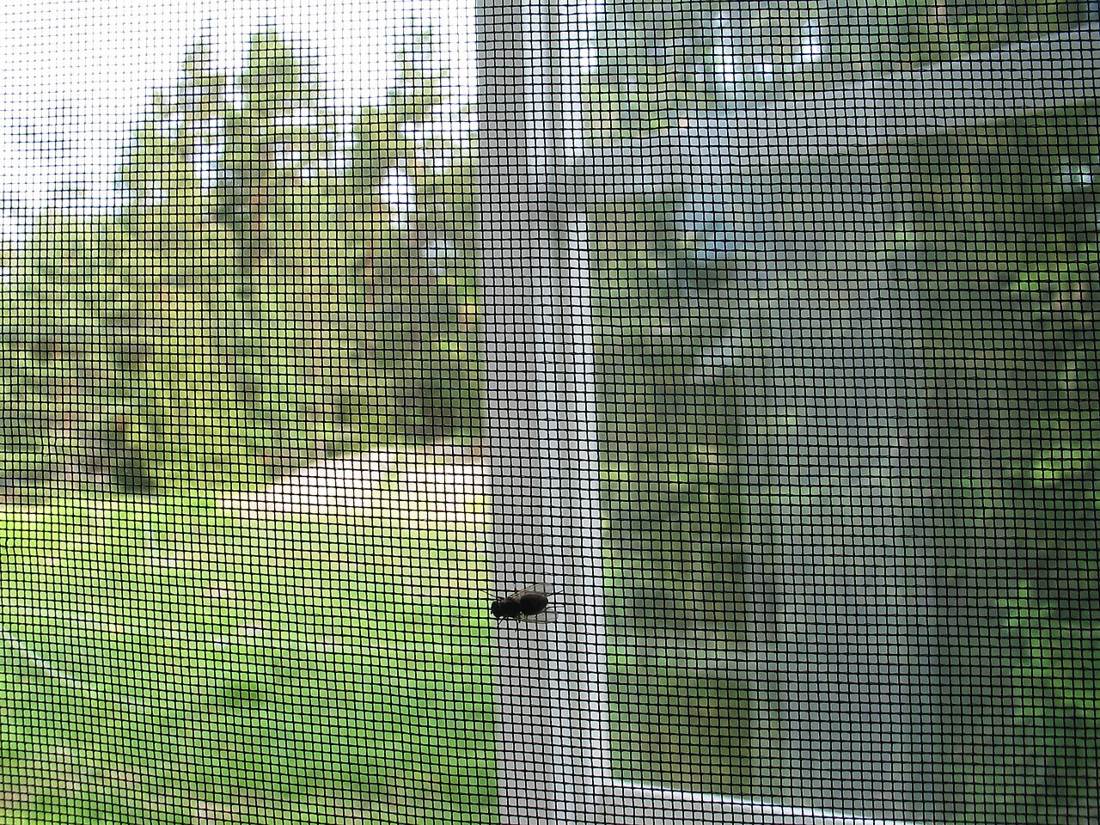 Anti-Bird & Insect-Proof Net RollExclusion & monitoring Anti-Bird & Insect-Proof Net RollExclusion & monitoring | 1 per 500 m² | Insect netting for vents and doors, about one roll per 500 m² of house. | 1 | 1 | 4 | 20 |
| Yellow & Blue Sticky Traps (pack of 50)Exclusion & monitoring | 1 per 1,000 m² | One pack of 50 cards per ~1,000 m² for monitoring; more for mass trapping. | 1 | 1 | 2 | 10 |
| Smart Pheromone Trap with CameraExclusion & monitoring | 1 per 2,000 m² | One per ~2 ha for each key pest, at least two per block to see the trend. | 1 | 1 | 1 | 5 |
 Plant-Vision Multispectral Camera (Fixed)Plant vision (multispectral) Plant-Vision Multispectral Camera (Fixed)Plant vision (multispectral) | 1 per 150 m² | One multispectral camera watches about 150 m² of canopy — every plant, every day. | 1 | 2 | 14 | 67 |
 Drip Tape (16 mm, 1,000 m Roll)Drip irrigation Drip Tape (16 mm, 1,000 m Roll)Drip irrigation | 1 per 1,000 m² | About one roll per 1,000 m² of beds. | 1 | 1 | 2 | 10 |
| Smart Irrigation Controller (WiFi/4G)Drip irrigation | 1 per farm | One smart controller runs the valves of a ~10 ha irrigation block. | 1 | 1 | 1 | 1 |
| LoRaWAN Outdoor GatewayConnectivity | 1 per 5,000 m² | One gateway links all sensors and controllers in a building of up to ~5,000 m². | 1 | 1 | 1 | 2 |
Rules of thumb for soil-grown tunnels and greenhouses. Separate houses or several crops at once need more bed sensors and traps; our team adjusts the kit in your design.
Compost probes, smart traps, soil-biology kits and the machines that replace herbicides — with full specifications.
स्मार्ट फार्म IoT और कैमरे · $60 – $180
स्मार्ट फार्म IoT और कैमरे · $180 – $420
मिट्टी और फसल सेंसर · $150 – $420
जैव-इनपुट और मृदा देखभाल · $450 – $1,200
ट्रैक्टर और खेत मशीनें · $1,800 – $6,500
ट्रैक्टर और खेत मशीनें · $8,500 – $26,000
Choose your standard per field; Famo applies its conversion period, raw-manure interval and compost rule to your records.
United States and exports to the US
36 months without prohibited inputs before harvest
55–77 °C for 3 days in-vessel or static; 15 days and 5 turns in a windrow
European Union and exports to the EU
2 years before sowing (annual crops); 3 years before harvest (perennials)
Properly composted material; raw manure from approved sources
India and exports under NPOP
2 years for annual crops; 3 years for perennials
Well composted organic matter, farm-made where possible
Japan and exports to Japan
2 years before sowing; 3 years for perennials
Composted materials from permitted sources
Smallholder groups and local markets
Set by the PGS group — commonly 2 to 3 years
Group rules, usually the 55 °C hot-compost benchmark
These are the headline rules, simplified for planning. Your certification body's reading of the full standard always wins.
Plan the season
Soil-health results and last season's records turn into a rotation, a compost plan and a list of approved inputs for each field.
Clean start
Seed source logged, Trichoderma seed treatment recorded, compost and green manure incorporated — each entry checked.
Feed and weed
Soil sensors time compost tea and side-dressing; Famo picks the dry, warm days for a mechanical weeding pass.
Catch it early
Traps cross the action threshold or leaves stay wet too long — Famo alerts you while a biological control still works.
Prove it
Raw-manure intervals checked, harvest logged by lot, and the record book downloaded for the buyer or inspector.
Rebuild the soil
Compost windrows started with probes in them, cover crops sown, and the soil-health trend updated for next year.
Inputs and equipment for organic farms, sourced and supported by our team.
नयाउदाहरण चित्र — भेजा गया उत्पाद मॉडल और विशिष्टता के अनुसार अलग हो सकता है।≈ $60 – $180
नयाउदाहरण चित्र — भेजा गया उत्पाद मॉडल और विशिष्टता के अनुसार अलग हो सकता है।≈ $360 – $840
नयाउदाहरण चित्र — भेजा गया उत्पाद मॉडल और विशिष्टता के अनुसार अलग हो सकता है।≈ $200 – $550
नयाउदाहरण चित्र — भेजा गया उत्पाद मॉडल और विशिष्टता के अनुसार अलग हो सकता है।≈ $450 – $1.2K
नयाउदाहरण चित्र — भेजा गया उत्पाद मॉडल और विशिष्टता के अनुसार अलग हो सकता है।≈ $150 – $420
 नया
नया≈ $1.5K – $4.5K
 ट्रेंडिंगउदाहरण चित्र — भेजा गया उत्पाद मॉडल और विशिष्टता के अनुसार अलग हो सकता है।
≈ $1.4K – $3.8K
नयाउदाहरण चित्र — भेजा गया उत्पाद मॉडल और विशिष्टता के अनुसार अलग हो सकता है।≈ $48 – $120
A field-by-field plan: soil baseline, rotation, inputs and the timeline to your first organic harvest.
Sensors, traps, compost probes and the gateway set up and connected to your Famo dashboard.
Composting, biological controls and record keeping for you and your team, in your language.
Your record book organised the way inspectors read it, and reminders before every renewal.
No. Certification is done by an accredited certification body or, for PGS, your farmer group. Famo keeps the records they inspect, checks your inputs as you log them and reminds you of conversion and certificate dates.
Yes. Choose the farming mode for each field when you add it — open field, greenhouse or any indoor type. Organic fields get the organic record book and certification tools; all fields share one dashboard.
It matches the product's name against the rules most standards share — for example synthetic nitrogen is prohibited, copper is restricted, neem is allowed. If it cannot tell, it asks you to check the label. Always confirm unusual products with your certifier.
It depends on the market. The EU, for example, requires crops grown in soil, while the United States allows some container and hydroponic systems to be certified. Famo's organic controlled-field package is built for soil-grown polytunnels and greenhouses.
That the core of each batch got hot enough for long enough to kill weed seeds and pathogens — the heat-and-turning record many standards ask for. Famo counts the hot days and turns for every batch.
Yes. Open the live organic farm demo — certified rice and mango, a vegetable block in conversion and a soil-grown tomato polytunnel, with a year of records. No sign-up needed.
Build your package, try the live demo, or talk to our team about your conversion plan.